
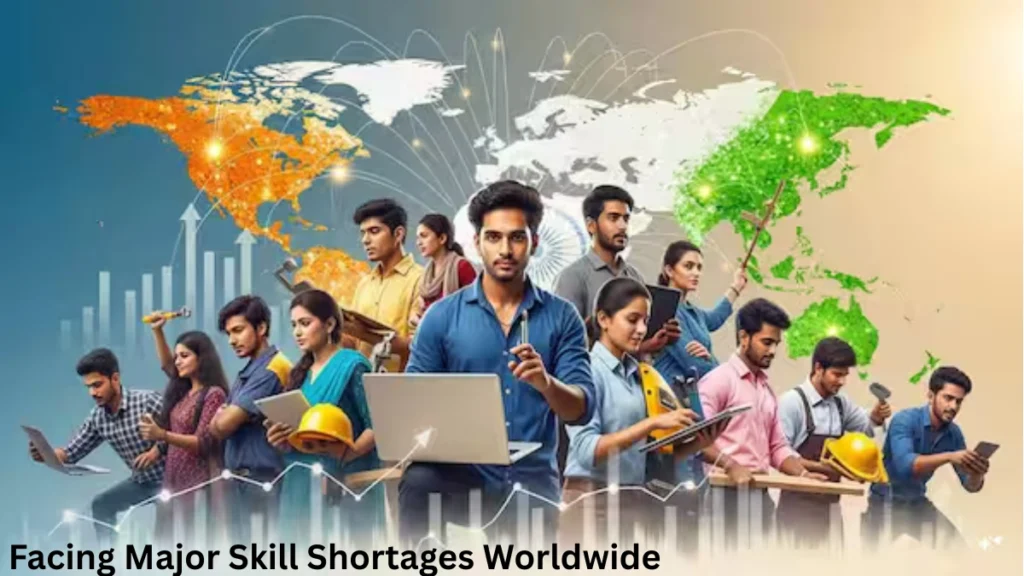

Discover the jobs facing major skill shortages worldwide in 2025, the reasons behind the gaps, and how professionals can adapt. Explore high-demand careers, required skills, and global trends shaping the workforce.
List of global skill shortage positions urgently hiring with strong demand across multiple industries.
Introduction
In today’s rapidly evolving global economy, businesses across industries are facing unprecedented challenges in finding talent with the right skills. Despite increasing unemployment in some regions, a paradox exists: many companies struggle to fill critical roles due to skill shortages. These shortages are not only slowing business growth but also driving innovation gaps and affecting global competitiveness.
This article explores the jobs experiencing the most significant skill shortages worldwide, the underlying reasons for these gaps, and strategies for professionals and organizations to bridge them.
1. The Global Skill Shortage Crisis
1.1 Understanding Skill Shortages
A skill shortage occurs when the demand for specific expertise exceeds the supply of qualified professionals. Unlike unemployment, which measures people seeking work, skill shortages reflect a mismatch between job requirements and workforce capabilities.
Globalization, technological advancements, and demographic shifts have intensified these shortages, particularly in industries undergoing rapid transformation.
1.2 Impact on Businesses
Skill shortages can severely impact businesses:
- Reduced productivity and slower project completion.
- Higher operational costs due to hiring difficulties.
- Increased employee burnout as existing staff take on more responsibilities.
- Limited capacity for innovation and expansion.
2. Industries Experiencing the Highest Skill Shortages
Several sectors worldwide are struggling more than others. Understanding these industries is crucial for both job seekers and policymakers.
2.1 Information Technology (IT) and Cybersecurity
2.1.1 Demand for IT Specialists
As digital transformation accelerates, organizations require professionals skilled in cloud computing, artificial intelligence (AI), machine learning (ML), and blockchain technologies. Cybersecurity has emerged as a particularly urgent area due to increasing cyberattacks and regulatory requirements.
2.1.2 Skills in Short Supply
- Cloud architecture (AWS, Azure, Google Cloud)
- Data analytics and AI/ML
- Cybersecurity and ethical hacking
- Software development (Python, JavaScript, Java)
2.1.3 Global Trends
Countries like the USA, UK, Germany, Canada, and Australia face acute IT shortages, with employers offering higher salaries to attract talent.
2.2 Healthcare and Medical Professions
2.2.1 Rising Healthcare Needs
An aging global population and the lasting impacts of COVID-19 have created unprecedented demand for healthcare professionals, including doctors, nurses, and medical technicians.
2.2.2 Skills Shortages
- Registered nurses and specialized nurses (ICU, neonatal, oncology)
- Physicians in rural or underserved areas
- Medical technologists and lab technicians
- Mental health professionals
2.2.3 Regional Insights
Countries such as Canada, Australia, the UK, and the US are reporting persistent nursing shortages, leading to aggressive recruitment programs internationally.
2.3 Engineering and Construction
2.3.1 Infrastructure Expansion
Global urbanization and renewable energy projects are driving demand for skilled engineers.
2.3.2 In-Demand Skills
- Civil, mechanical, and electrical engineering
- Renewable energy engineering (solar, wind, hydrogen)
- Project management in construction
- Advanced manufacturing and robotics
2.3.3 Key Challenges
The lack of practical experience among graduates and low interest in traditional engineering fields have widened the gap between supply and demand.
2.4 Skilled Trades
Skilled trades such as plumbing, carpentry, and welding are increasingly facing shortages, particularly in developed countries. The perception that trade jobs are less prestigious has led to fewer young professionals entering these fields.
2.4.1 High-Demand Trades
- Electricians and plumbers
- Welders and metalworkers
- HVAC (Heating, Ventilation, and Air Conditioning) technicians
- Machinists and heavy equipment operators
2.5 Finance and Accounting
Despite technological automation, finance professionals with strategic and analytical capabilities are in high demand. Roles requiring data interpretation, compliance knowledge, and risk management skills are particularly affected.
2.5.1 Skills Shortage Areas
- Financial analysts and planners
- Risk management and compliance specialists
- Forensic accountants
- Tax experts
2.6 Education and Teaching
Global skill shortages also affect the education sector, especially in STEM (Science, Technology, Engineering, Mathematics) subjects. Remote learning and technology integration have further increased the demand for skilled educators.
2.6.1 Shortage Areas
- STEM teachers (math, physics, computer science)
- Special education instructors
- Language teachers in non-native countries
- Educational technologists
2.7 Hospitality and Tourism
Tourism-dependent economies struggle to find workers with hospitality management, culinary, and customer service expertise. The sector also faces seasonal employment challenges.
2.8 Emerging Fields Facing Skill Shortages
2.8.1 Artificial Intelligence and Robotics
AI and robotics are transforming industries, creating demand for engineers, data scientists, and AI ethicists.
2.8.2 Green Energy and Sustainability
The shift to renewable energy and sustainable business practices has created roles in environmental engineering, carbon management, and sustainability consulting.
2.8.3 Digital Marketing and E-Commerce
Rapid growth in online commerce and social media marketing has led to shortages in professionals skilled in SEO, SEM, content strategy, and analytics.
3. Reasons Behind Global Skill Shortages
Understanding why skill shortages occur helps in planning solutions.
3.1 Technological Advancements
Automation and AI are transforming jobs faster than education systems can adapt.
3.2 Demographic Changes
Aging populations in developed countries reduce workforce numbers, while younger populations in developing nations may lack access to specialized education.
3.3 Education and Training Gaps
Traditional curricula often fail to equip graduates with real-world skills, leading to a mismatch between supply and demand.
3.4 Geographic Mismatch
High-demand roles may exist in regions where workers are unwilling or unable to relocate.
3.5 Economic and Policy Factors
Immigration restrictions, regulatory hurdles, and inadequate workforce planning contribute to shortages.
4. Strategies to Overcome Skill Shortages
4.1 Upskilling and Reskilling
Employers must invest in continuous learning programs to help employees adapt to evolving roles.
4.2 Leveraging Technology
Automation and AI can complement human workers, reducing the impact of skill gaps.
4.3 Global Talent Sourcing
Recruiting internationally can fill roles that cannot be filled locally.
4.4 Education-Industry Collaboration
Curriculum alignment with industry needs ensures graduates are job-ready.
4.5 Flexible Work Arrangements
Remote work can attract talent from broader geographies, reducing regional skill shortages.
5. Jobs Most Likely to Remain in High Demand
Based on current trends, these jobs are projected to continue facing shortages:
| Job Role | Industry | Key Skills Needed |
|---|---|---|
| Cybersecurity Specialist | IT | Ethical hacking, risk assessment |
| Data Scientist | IT/Business | Python, ML, data analytics |
| Registered Nurse | Healthcare | Patient care, specialized nursing |
| Renewable Energy Engineer | Engineering | Solar/wind energy, project management |
| Skilled Electrician | Trades | Electrical systems, safety standards |
| Financial Analyst | Finance | Financial modeling, compliance |
| STEM Teacher | Education | Math, physics, coding |
| AI/Robotics Engineer | Tech | Robotics, AI programming |
| Sustainability Consultant | Green Energy | Environmental regulations, carbon management |
6. Preparing for the Future Workforce
Workers should focus on developing skills that are less likely to be automated:
- Critical thinking and problem-solving
- Creativity and innovation
- Emotional intelligence and interpersonal skills
- Technical literacy in emerging technologies
Employers should prioritize workforce planning, invest in employee development, and stay ahead of technology trends to mitigate skill shortages.
FAQs
Q1: What are the main causes of global skill shortages?
A: Technological advancements, demographic changes, education gaps, geographic mismatch, and policy constraints are primary causes.
Q2: Which countries face the worst skill shortages?
A: Developed nations such as the USA, UK, Germany, Canada, and Australia experience significant shortages in healthcare, IT, engineering, and skilled trades.
Q3: How can employees overcome skill shortages?
A: By upskilling, reskilling, learning emerging technologies, and gaining experience in high-demand sectors.
Q4: Are skill shortages temporary?
A: Some shortages may be temporary, but structural gaps in education and workforce planning suggest long-term shortages in certain fields.
Q5: Which sectors will see growing demand in the next decade?
A: IT, cybersecurity, healthcare, renewable energy, AI, robotics, digital marketing, and specialized trades will continue to experience high demand.