
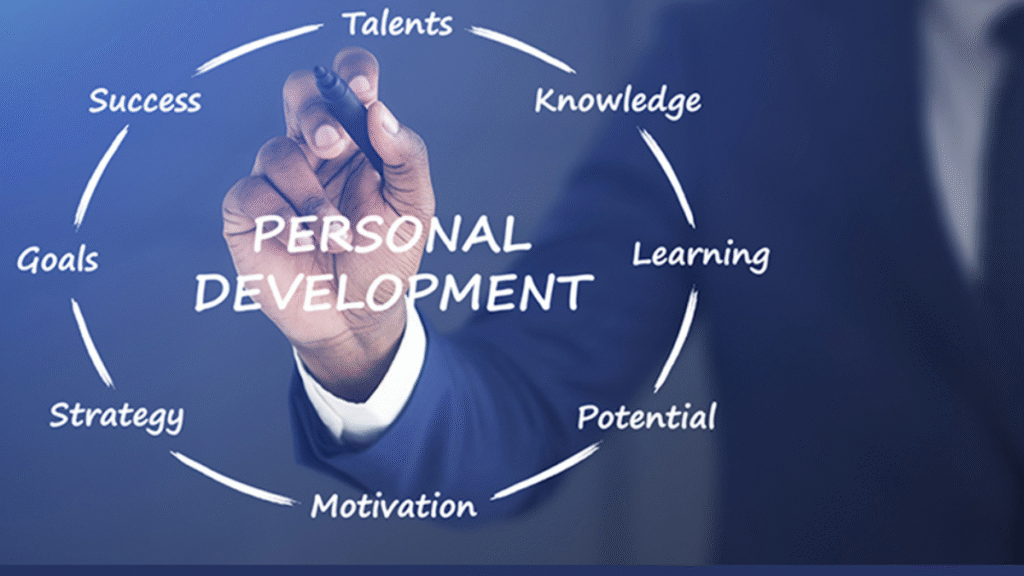

In today’s ambitious world, professionals constantly strive to climb the career ladder—earn promotions, acquire new skills, and achieve financial security. However, focusing solely on career growth can often come at the expense of personal development and well-being. Balancing both is not just possible—it’s essential for long-term success, happiness, and fulfillment.
Career growth provides professional success, while personal development ensures emotional balance, creativity, and resilience. This article explores how you can effectively manage both without compromising either.
The Relationship Between Career Growth and Personal Development
Career growth focuses on advancing your position, income, and skill set within your profession. Personal development, on the other hand, involves enhancing your mindset, habits, emotional intelligence, and overall life satisfaction.
The two are deeply connected:
- Personal growth enhances professional success. Developing self-awareness, confidence, and emotional control makes you a better leader and decision-maker.
- Professional growth fuels personal progress. New challenges at work improve problem-solving, communication, and adaptability.
The secret lies in creating synergy—where both aspects support and complement each other.
1. Define Clear Goals for Both Areas
You can’t balance what you don’t measure. Start by defining what “growth” means to you professionally and personally.
For your career: Set specific goals like earning a certification, getting a promotion, or switching to a leadership role.
For your personal life: Aim for habits like reading daily, improving fitness, learning mindfulness, or spending more time with loved ones.
Tip: Align them wherever possible. For instance, improving your communication skills benefits both your professional relationships and personal interactions.
2. Master Time Management
Time is the bridge that connects career progress and personal development. If you don’t control it, one will dominate the other.
Practical steps:
- Prioritize tasks: Focus on high-impact activities that bring results in both areas.
- Block personal time: Treat personal growth activities like appointments you can’t cancel.
- Avoid burnout: Schedule rest just as you schedule meetings—it’s equally important.
Use productivity tools like Google Calendar, Notion, or Trello to manage work and self-improvement tasks efficiently.
3. Keep Learning Continuously
Growth never stops—both professionally and personally. Commit to lifelong learning that enhances your expertise and mindset.
Ways to do this:
- Enroll in online courses (e.g., Coursera, Udemy) that cover both technical and soft skills.
- Read books on leadership, emotional intelligence, or creativity.
- Attend webinars, workshops, or podcasts related to your field and interests.
A well-rounded professional is one who grows in knowledge, character, and perspective simultaneously.
4. Prioritize Health and Well-Being
Success means little if you don’t have the energy to enjoy it. Physical and mental wellness are the foundations of productivity and happiness.
How to stay balanced:
- Exercise regularly to boost focus and reduce stress.
- Eat nutritious foods to maintain energy throughout the day.
- Practice meditation or mindfulness to clear your mind.
- Ensure you get 7–8 hours of quality sleep.
Remember, your body and mind are your greatest assets—nurture them.
5. Set Boundaries Between Work and Personal Life
The lines between personal and professional life often blur, especially in the era of remote work. Without clear boundaries, burnout becomes inevitable.
How to protect your balance:
- Avoid checking work emails or messages after office hours.
- Create a dedicated workspace to separate work from relaxation.
- Communicate your limits clearly with colleagues and family.
Boundaries protect not just your time, but also your peace of mind.
6. Practice Self-Reflection Regularly
Reflection helps you stay aligned with your goals and make necessary adjustments. It’s a habit that sharpens self-awareness—a vital component of both personal and career growth.
Try this weekly ritual:
- List what went well and what didn’t.
- Identify what you learned professionally and personally.
- Set intentions for the coming week.
Journaling or meditation are excellent tools to stay grounded and intentional.
7. Build Strong Relationships
Relationships are the backbone of both success and happiness. Building meaningful connections enhances emotional well-being and creates new career opportunities.
Ways to strengthen relationships:
- Network strategically with mentors and colleagues who inspire growth.
- Spend quality time with friends and family to recharge emotionally.
- Offer support and mentorship to others—it strengthens your sense of purpose.
Balanced relationships nurture empathy, leadership, and confidence—all vital for success.
8. Embrace a Growth Mindset
A growth mindset—believing that abilities can be developed—keeps you open to new experiences and helps you adapt to change.
Cultivate this mindset by:
- Viewing challenges as learning opportunities.
- Replacing fear of failure with curiosity.
- Seeking feedback and acting on it positively.
A growth-oriented attitude bridges personal and professional evolution seamlessly.
9. Engage in Hobbies and Passions
Hobbies aren’t distractions—they’re personal investments. They boost creativity, improve mental health, and develop new skills that often benefit your career indirectly.
Examples:
- Creative arts can enhance problem-solving and innovation.
- Sports and fitness build discipline and endurance.
- Volunteering develops empathy and leadership.
Making time for what you love enriches your life and prevents monotony.
10. Celebrate Small Wins
Success isn’t only about big milestones—it’s built on small, consistent victories. Recognizing these wins keeps you motivated and helps maintain balance.
Celebrate by:
- Treating yourself after achieving a goal.
- Sharing accomplishments with friends or mentors.
- Reflecting on how far you’ve come.
This habit reinforces positivity and prevents burnout while fueling continued growth.
Conclusion
Balancing career growth and personal development isn’t about dividing time equally—it’s about integrating both to build a life that’s meaningful and sustainable. When your career ambitions and personal goals work in harmony, you’ll achieve not only professional success but also fulfillment, happiness, and resilience.
The key lies in self-awareness, time management, and intentional living. Remember: your career is just one part of your journey—your personal growth is what gives it purpose. Invest in both, and you’ll find balance that lasts a lifetime.